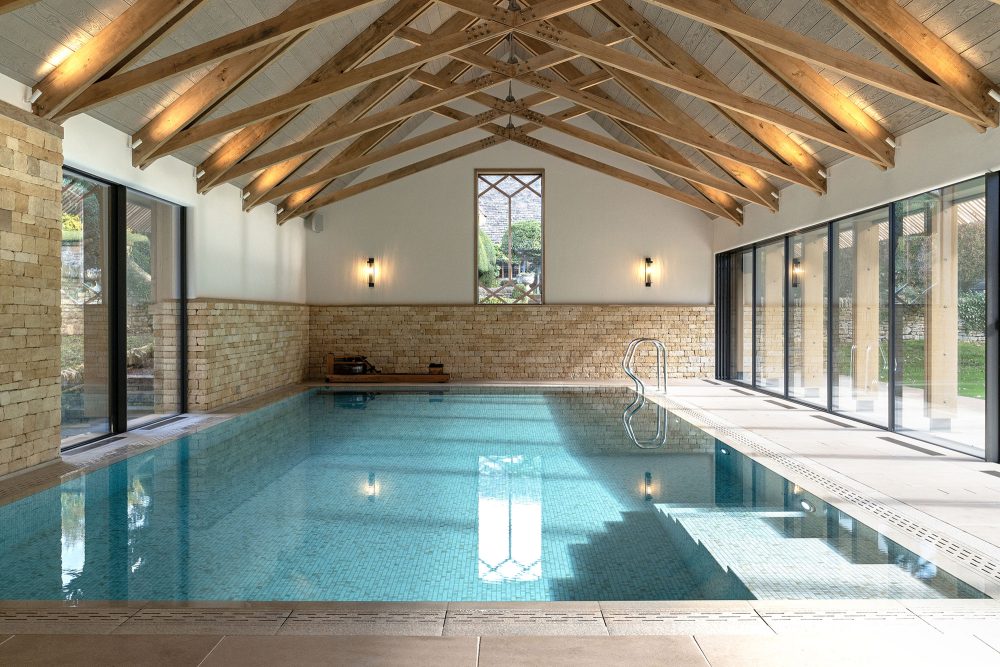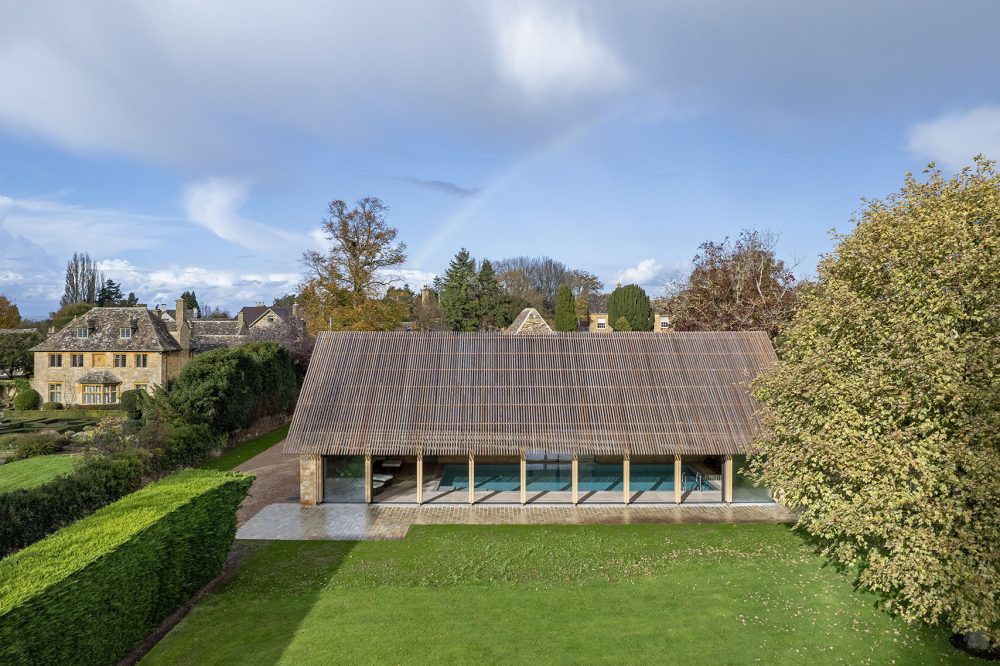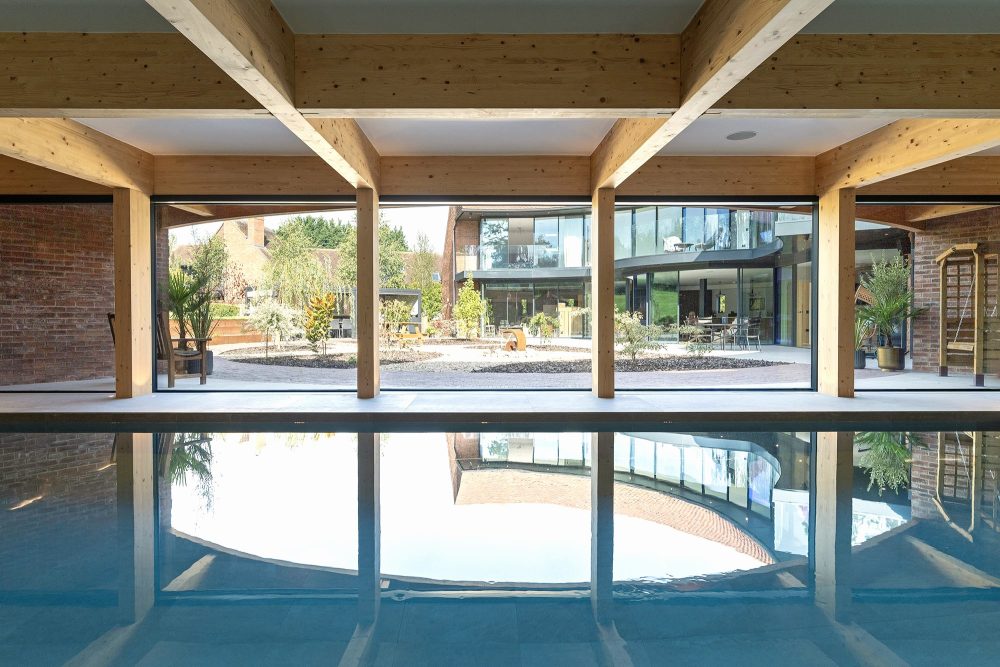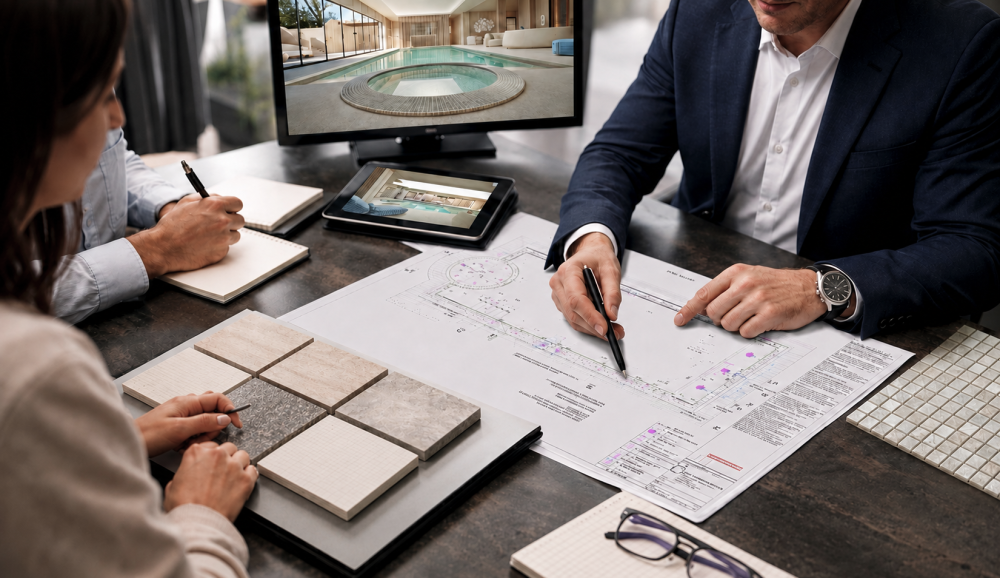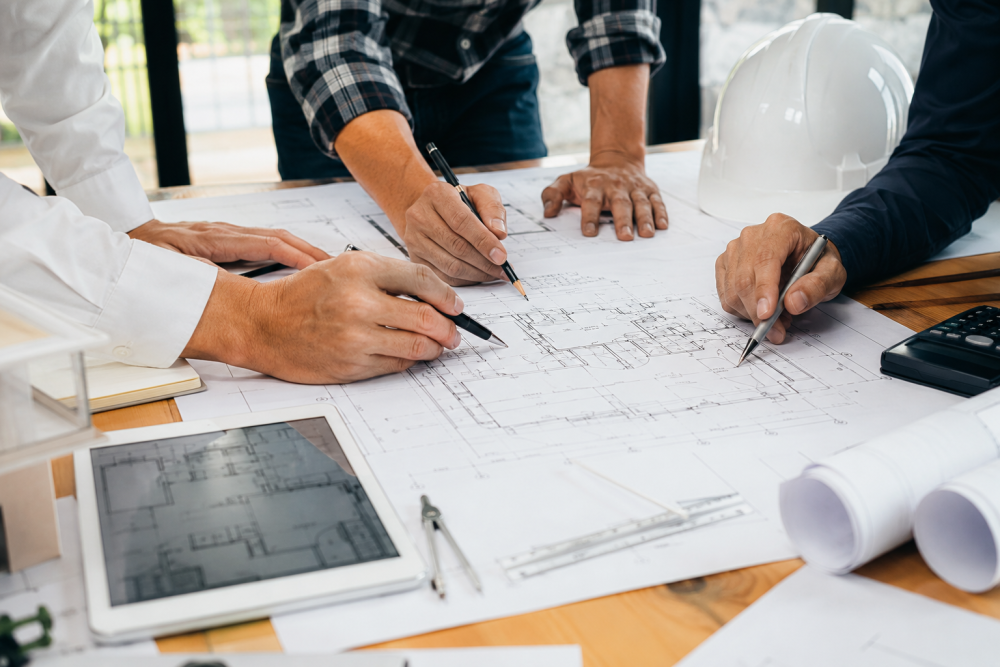
Yes. We provide a complete swimming pool design service covering concept design, design development and detailed engineering. Our team works from initial ideas through to fully coordinated technical drawings, ensuring the pool integrates seamlessly with the wider architecture and landscape.
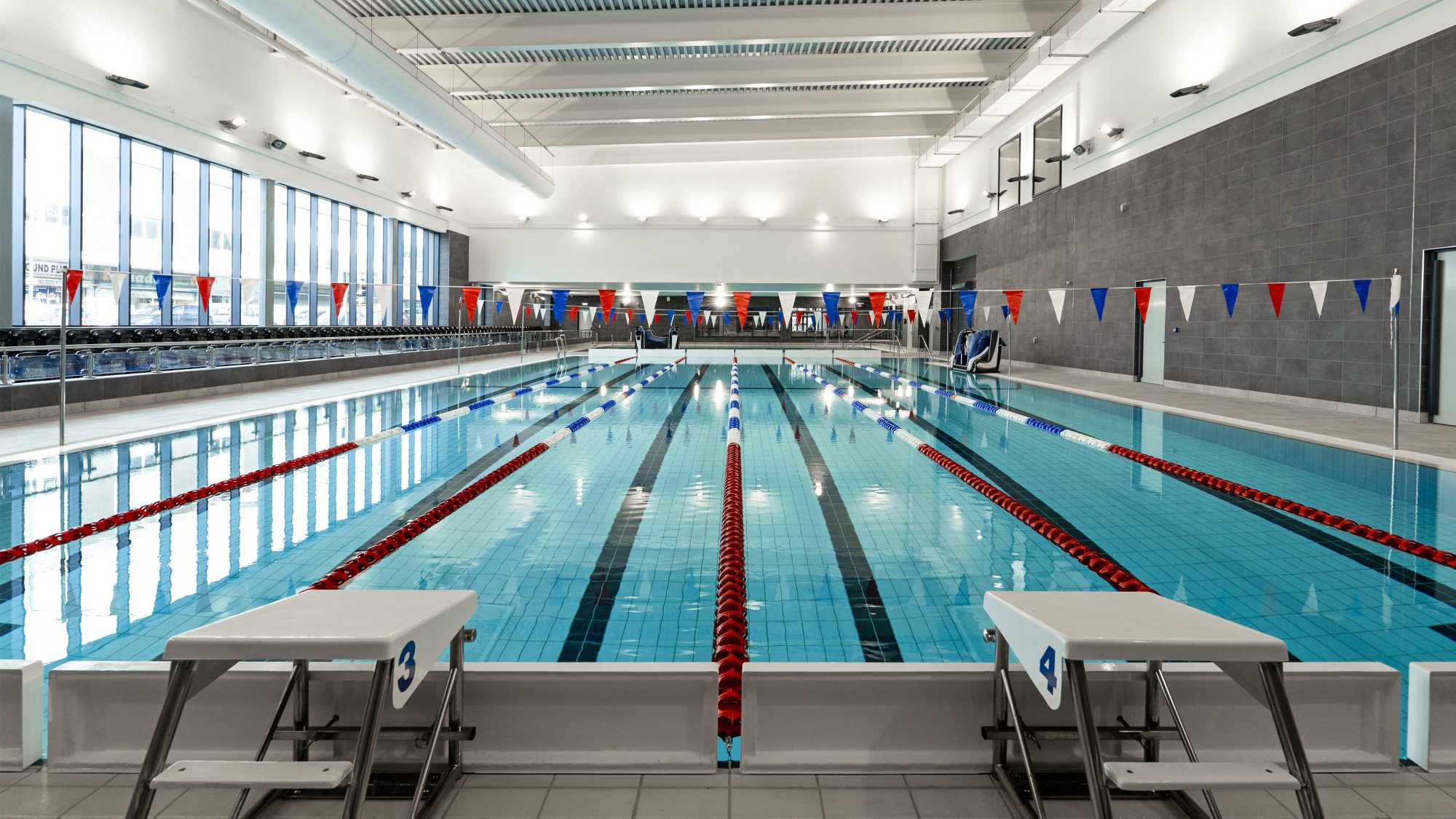
The Knowledge Pool
The Knowledge Pool is Buckingham Pools’ dedicated insight hub, created to share the Design intelligence, Consultancy expertise, Build methodology, and Aftercare guidance behind high-performing Pool, Spa, and Wellness environments.
FAQs
Do you provide full swimming pool design services?
Can you work with my architect or interior designer?
Absolutely. Many of our projects are delivered in collaboration with architects, interior designers and main contractors. We work closely with the wider design team to ensure the pool, wellness facilities and plant systems integrate smoothly with the overall project.
Can finishes, tiling and features be fully customised?
Every project is bespoke. Pool finishes, mosaics, stonework, lighting features and water effects can all be customised to suit the architectural style and the client’s preferences.
Do you design both indoor and outdoor pools?
Yes. We design both indoor and outdoor pools, including leisure pools, hydrotherapy pools, vitality pools and wellness suites. Each environment requires a different technical approach, particularly in areas such as humidity control, heating and energy efficiency.
Can you design for heritage or listed properties?
Yes. We regularly work on projects involving heritage and listed properties. Our design process carefully considers planning constraints, conservation requirements and architectural sensitivities to ensure the pool complements the property.
How do you approach energy efficiency and sustainability within the design?
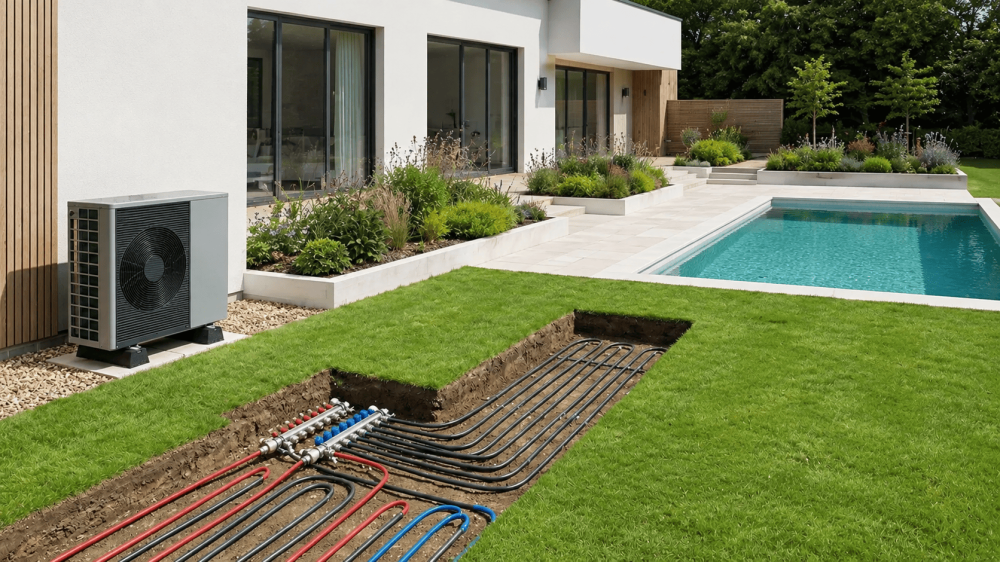
Energy efficiency is prioritised from the earliest design stages. We evaluate key factors such as insulation, pool covers, plant efficiency, heat recovery, and water treatment systems to ensure optimal operational efficiency. We work closely with project teams to identify the most cost-effective heat generation solutions for each project.
Do I need planning permission for a swimming pool?
In most cases, you can install a swimming pool in your back garden without planning permission under permitted development rights. This generally applies if the pool:
- Does not cover more than half of your total garden area (including other outbuildings)
- Is not significantly raised above ground level
- Does not involve major structures such as large enclosures or pool houses
You may need planning permission if:
- Your property is a Listed Building
- It is in a Conservation Area or other protected location
- The pool is in your front garden
- The project involves major changes to land levels or additional buildings
Even if planning permission is not required, building regulations may still apply, particularly for electrical work, drainage, and safety measures.
For official guidance, you can visit the UK Planning Portal: https://shorturl.at/3uVVt
Can you assist with planning submissions?
While planning submissions are the responsibility of an architect, we strongly recommend ensuring that planning is underway before engaging in detailed pool design. This allows any limitations or restrictions to be identified early, helping to avoid costly redesigns or delays later in the project. We work closely with architects and project teams to ensure our designs align with planning requirements, making the process smoother and more efficient.
How long does it take to design a swimming pool?
The design timeline for a swimming pool depends on the type, size, and complexity of the project. A straightforward outdoor pool can typically be designed within 2–4 weeks, while more complex projects—such as indoor pools, hydrotherapy pools, or bespoke wellness facilities—may take 6–8 weeks or longer. This design phase includes site surveys, technical drawings, 3D visuals, and collaboration with architects or project teams to ensure the pool meets both aesthetic and functional requirements. Early engagement helps streamline approvals and avoid delays during construction.
Do you offer 3D visuals or CGI renders?
Yes. We can provide 3D visuals and photorealistic CGI imagery at an additional cost to help clients clearly visualise the design before construction begins. These visuals allow finishes, lighting and spatial relationships to be explored during the design phase.
How much does a swimming pool cost?
The cost of a swimming pool varies significantly depending on the size, specification, site conditions and finishes. Each project is unique, so we provide tailored guidance based on the client’s objectives and the project brief.
What factors influence the overall investment?
Several factors affect the cost of a swimming pool project, including pool size, structural construction, interior finishes, water features, plant systems, environmental controls, site access, and how the pool integrates with the surrounding architecture. One of the most significant factors is pool type: a deck-level pool is typically around 20% more expensive than a skimmer pool and requires more complex integration with surrounding infrastructure, which can further increase overall installation costs.
Can you provide a budget estimate at an early stage?
Yes. During early consultations, we can provide high-level budget guidance to help inform feasibility and assist with wider project planning.
What affects operational and long-term running costs?
The running costs of a swimming pool are influenced by several factors, including heating requirements, filtration systems, water treatment methods, environmental controls, and how frequently the pool is used. Structural heat retention, which we incorporate as standard in every pool design, maximises heat efficiency through the pool structure. Exposure to the elements affects heat loss, meaning outdoor pools generally require more energy than indoor pools; heat-retention covers are essential for long-term savings when pools are not in use. Pump running costs are also a key factor, which is why we use inverter-driven, state-of-the-art pumps as standard—these allow speeds to be reduced during low-use periods, lowering electricity costs. Pool surface area directly impacts energy and chemical usage, so choosing the right size pool is crucial. Finally, a well-designed filtration system reduces reliance on chemicals, cutting water treatment costs over the life of the pool.
What level of specification is right for my property?
The appropriate specification depends on how the pool will be used and the type of property. During consultation we help determine the most suitable balance between design ambition, technical performance and operational efficiency.
What is included within your performance specification?
Our performance specifications define the technical requirements for all pool systems, including structure, filtration, water treatment, environmental controls, and mechanical systems. They set out exactly how your pool will function, not just how it will look, covering key criteria such as water circulation and turnover rates, filtration standards, hydraulic design, and energy efficiency targets. The specification also details the performance of core equipment, including pumps, filters, heating systems, and any automated controls. Overall, it provides a clear, measurable benchmark for day-to-day operation, ensuring efficiency, longevity, and ease of maintenance. The specification is flexible and can be adjusted as the design progresses, maintaining open dialogue and keeping all parties fully informed.
How do you size plant rooms and filtration systems?
Plant rooms are carefully designed based on pool volume, hydraulic requirements, and maintenance access. We ensure each plant space is correctly sized to accommodate filtration, heating, and water treatment systems safely and efficiently. Using a combination of 2D space planning and 3D rendering, we confirm that all equipment fits the room, maintenance can be performed easily, and other trades can access the space required to integrate seamlessly with the pool systems.
What water treatment options are available?
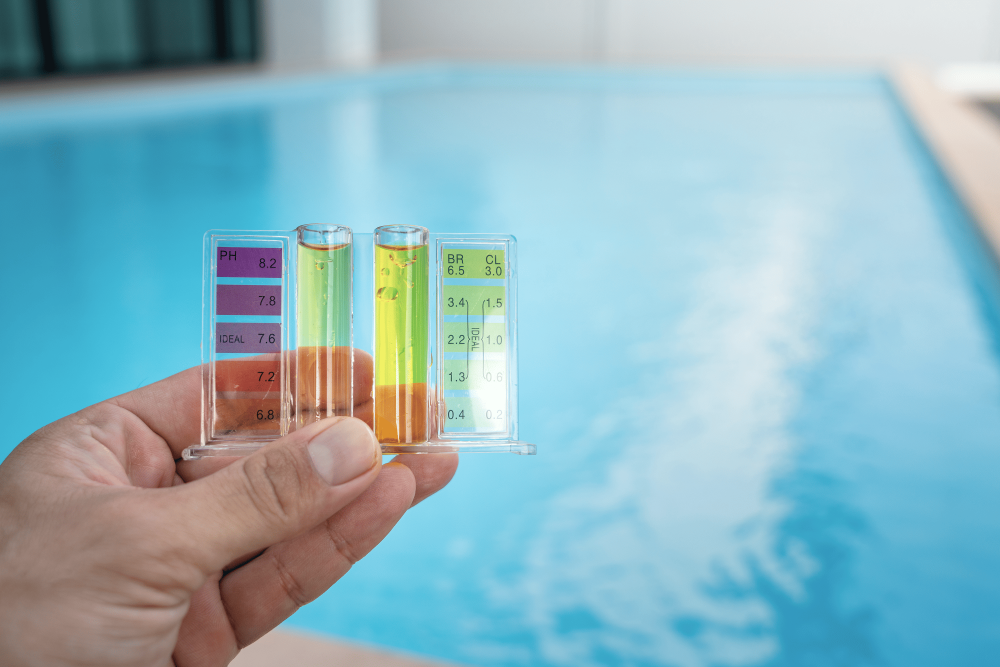
We offer a wide range of water treatment options and do not take a one-size-fits-all approach. Options include traditional chlorine systems, UV disinfection, and other advanced methods designed to maintain excellent water quality while reducing chemical demand. The most appropriate system depends on how the pool will be used, the level of maintenance preferred, energy and water efficiency objectives, and the client’s priorities for water clarity and comfort. Various technologies are available, including different filtration methods, disinfection systems, and levels of automation, and we select the optimal combination based on the specific requirements of each project. Our role is to guide you through the options and design a system that delivers reliable performance, exceptional water quality, and long-term value.
Do you provide BIM-compliant technical drawings?
Yes. Our technical drawings are developed using BIM-compliant workflows, producing coordinated models and drawings with industry-standard software to support collaboration with architects and contractors. We are fully capable of working within BIM standards where required and regularly collaborate with design teams operating in BIM environments. However, BIM is not always necessary for every project. For smaller or private schemes, a full BIM workflow can add unnecessary complexity and cost. Our approach is flexible, adopting BIM where it adds genuine value and using appropriately scaled drawing and coordination methods when a simpler approach is more suitable. This ensures clients receive the right level of technical detail and coordination without unnecessary overhead.
When is the right time to involve Buckingham Pools in a wider build project?
We recommend involving Buckingham Pools as early as possible in a wider build project. Early engagement ensures that key considerations are addressed from the outset, helping to avoid costly redesigns or delays. Mechanical and electrical requirements to service the pool, structural and setting-out needs that may affect other aspects of the project, and essential elements such as drainage, electrical power, and heat demand all have a significant impact on other contractors and the overall build. By integrating these factors early, the pool can be seamlessly incorporated into the project, ensuring efficiency, cost control, and a smoother construction process.
Do you manage the full construction process?
Yes. We manage the full construction process from detailed technical coordination through to installation, commissioning and final handover of the pool systems. Our team oversees each stage to ensure the design is delivered accurately, systems are installed correctly and the project integrates smoothly with the wider build programme.
How long does construction typically take?
Construction timelines vary depending on the size, specification, and complexity of the project. Swimming pool installations are often part of a wider construction programme and are coordinated alongside the main build works. Typically, pool construction can take several months, especially when specialist systems, structural work, or wellness facilities are involved. Early involvement ensures smooth integration with the overall build and helps avoid delays.
How disruptive is the build?
Where projects are part of a larger construction programme, the pool installation is carefully integrated within the wider works. Our team works closely with contractors and project managers to minimise disruption and ensure work progresses efficiently through clear programming and coordination.
What access is required?
Access requirements vary depending on the type of pool and site conditions, but in general a pool will need safe and practical access for excavation works, delivery of materials, and installation of the pool structure, finishes and plant equipment.
Where possible, we prefer clear access for small plant and delivery vehicles. However, we regularly work on projects with restricted access and can adapt the construction methodology, accordingly, including the use of smaller machinery, cranes, or manual handling where necessary.
Access considerations are reviewed during the planning and design stage, earlier the better so that any constraints can be planned for in advance, helping to avoid delays and ensure the works proceed efficiently.
How do you coordinate with main contractors?
We are experienced in working as a specialist contractor within a wide range of project teams and understand the importance of clear communication, programme coordination, and defined responsibilities. We regularly collaborate with a variety of partners, from Tier 1 main contractors on large commercial schemes through to residential builders and private client teams.
Our systems and processes are developed to meet the requirements of the most demanding Tier 1 project environments, including structured design coordination, document control, technical submittals, and programme integration. These same processes scale effectively to suit smaller, more personal projects, ensuring an appropriate level of structure without unnecessary complexity.
Coordination is typically managed through design team meetings, drawing reviews, equipment schedules, and regular communication to ensure our works integrate smoothly with the wider project. This includes coordination of key interfaces such as structural provisions, waterproofing interfaces, drainage, power supplies, and finishes.
Our aim is always to integrate seamlessly into the wider project team, helping to minimise risk, avoid clashes, and support efficient delivery regardless of project size.
What quality assurance processes are in place?
We operate a structured quality assurance programme across all of our projects, regardless of the level of formal requirements specified by others. Our internal processes are designed to meet the standards typically expected on Tier 1 construction projects, and scale effectively to suit private residential projects, ensuring the same consistent approach at key stages.
Our methodology is based on defined inspection and verification points throughout the design, procurement, installation and commissioning phases. This includes technical reviews, staged inspections, photographic records where appropriate, and verification of critical interfaces such as structure, waterproofing, pipework and finishes.
By applying the same disciplined approach across all projects, we help ensure that each swimming pool is delivered to a consistent standard of quality, reliability and long-term performance.
Are your systems built in-house or subcontracted?
The vast majority of our work is delivered by our own in-house teams. This includes design, mechanical and hydraulic engineering, tiling and finishes, and wellness installations. Maintaining these core disciplines internally allows us to ensure consistent quality, clear accountability, and strong coordination between design and construction.
Where specialist subcontractors are utilised — as is normal within the construction industry — they are carefully selected, heavily vetted, and typically long-standing partners with proven track records of delivering to the standards we require.
This balanced approach allows us to retain control over critical elements of the works while ensuring each project benefits from experienced and reliable delivery partners where appropriate.
What guarantees are included?
Where we are able to work in accordance with our preferred, tried and tested design methodology and material specifications, we provide warranties aligned with full SPATA standards:
- Reinforced concrete pool structure – 10 years
- Internal finishes (such as tiling, mosaic or equivalent) – 3 years
- Underground pipework – 5 years
In addition, where our preferred ARDEX system is used for screeds, renders, tanking, adhesives and grouts, the pool finish benefits from a concurrent 10-year ARDEX system warranty, providing additional assurance regarding durability and performance.
These warranties are supported by our established construction methods, proven material selections, and structured quality assurance processes developed over many years of specialist pool construction.
Are your installations compliant with industry standards?
Yes. All installations are designed and delivered in accordance with relevant British Standards and recognised industry best practice, such as PWTAG, ensuring safe, reliable and high-performing pool systems.
Are you members of relevant industry bodies?
Yes. Buckingham Pools is affiliated with recognised industry organisations, including PWTAG and SPATA and maintains high professional standards across both design and installation. Our accreditations include Constructionline Gold, Builder’s Profile, SafeContractor, and SMAS Workforce, demonstrating our commitment to quality, compliance, and best practice across the industry.
What happens at project handover?
At project handover we fully commission the pool systems and carefully test all equipment to ensure everything is operating correctly and performing as designed. We walk clients through the key elements of the installation and provide comprehensive Operation & Maintenance (O&M) manuals, which include detailed guidance on system operation, routine maintenance and important technical information relating to the pool.
Is client training provided?
We provide familiarisation training to help clients understand the key functions of their pool system and how it should be operated on a day-to-day basis. However, comprehensive pool plant operator training can take many weeks for complex systems and typically sits outside the scope of standard project delivery.
For commercial pools, we recommend that operators hold an appropriate Pool Plant Operator qualification from a recognised training body, ensuring they have the knowledge required to manage water quality, plant equipment and safety requirements correctly.
For residential pools, we strongly recommend taking up an aftercare or service arrangement so that one of our engineers can attend weekly, fortnightly or monthly as required whilst the client becomes familiar with the system. Swimming pools are not “set and forget” systems, and a period of learning is normal.
Our aftercare team is available to support this transition, helping ensure the pool continues to operate safely and efficiently. In our experience, many aftersales issues arise during the early learning period, and ongoing support provides reassurance that an experienced professional is available to assist when needed.
Comprehensive training support can of course be incorporated into the project scope where required. However, due to the competitive nature of tendering environments, this level of training is not typically included as standard. Where requested, it represents a significant added value, helping ensure operators are confident and the system performs as intended from the outset.
What documentation is included?
Clients receive a full documentation package at handover. This typically includes Operation & Maintenance manuals, equipment specifications, commissioning records, certifications and technical information relating to the installed systems. These documents provide a useful reference for ongoing operation and future servicing.
Do you provide servicing and maintenance packages?
Yes. We offer professional servicing and maintenance programmes designed to keep pool systems operating safely and efficiently. Regular servicing helps ensure equipment performs reliably, water quality remains consistent and any potential issues are identified early.
How often does a pool need servicing?
The required servicing frequency depends on how the pool is used, the complexity of the plant equipment, and the expectations for water quality and reliability.
As a general guide:
- Commercial pools typically require daily checks with weekly servicing to ensure water chemistry remains within safe parameters and plant equipment is operating correctly.
- Residential pools are commonly serviced weekly or fortnightly, whilst in use, although some lightly used pools may operate on a monthly visit schedule once the system is well understood.
- Higher-specification pools with features such as spas, air handling systems, UV or ozone treatment may benefit from more frequent checks, particularly during the initial period of operation.
Swimming pools contain mechanical, electrical and water treatment systems that require ongoing monitoring and adjustment. Regular servicing helps maintain safe water conditions, protects finishes and equipment, and reduces the likelihood of unexpected repair costs.
We can tailor an aftercare schedule to suit the specific pool, usage patterns and client preference, ensuring the system continues to perform as intended long after handover.
What are typical running and maintenance costs?
Running and maintenance costs are entirely dependent on the specific design of the pool, how it will be used, and the level of performance expected. Factors such as pool size, water temperature, environmental conditions (indoor or outdoor), type of water treatment system, and the inclusion of features such as spas, wellness facilities or air handling systems all influence ongoing costs.
Because of the number of variables involved, meaningful guidance can only be provided once the project requirements are understood. We consider whole-life operational costs as part of the design process and can advise on options to balance capital investment with long-term efficiency.
We recommend getting in touch so we can provide guidance based on your specific project requirements.
Do you offer remote monitoring or support?
Remote aftercare support via telephone and email is provided as standard by the Buckingham Swimming Pools aftercare team, regardless of whether remote monitoring equipment is installed. This allows clients to speak directly with experienced engineers for guidance, troubleshooting, and general operational advice as questions arise.
Certain equipment installations can also incorporate remote monitoring functionality, allowing key operating parameters such as water chemistry and system performance to be viewed remotely. These systems typically involve ongoing subscription costs and are most commonly specified on higher-use commercial pools, where maintaining consistent records of water quality is particularly important.
Some residential clients also see value in remote monitoring, as it can provide additional reassurance and useful insight into system performance between service visits. While no pool system can be fully managed remotely, these tools can help identify trends or issues early, potentially reducing the need for reactive site attendance.
Availability depends on the selected equipment specification, and we can advise on suitable options where this level of oversight is beneficial.
Who do clients contact in the event of an issue?
Our dedicated aftercare team provides ongoing support to clients following project completion. Should any questions or issues arise, clients can contact us directly and our team will provide technical assistance or arrange servicing where required.
Can you upgrade or improve an existing pool system?
Yes. We can review existing installations and provide recommendations for improvements or upgrades where appropriate. This may include enhancing energy efficiency, improving water treatment systems or updating equipment to meet modern performance standards.
Do you support long-term pool ownership?
Yes. Our relationship with clients continues long after installation. Through ongoing servicing, technical support and system upgrades where required, our aftercare services are designed to help ensure the pool continues to operate efficiently and reliably for many years.